Project P.I.T.T. Demo vs Full Game
Phase one ducks now — three more phases, gambling loops, and a longer shift on August 19.
If you only have time for one orientation brief after launch, make it this comparison. Project P.I.T.T.’s free demo is not a fake trailer build—it is phase one of a four-phase structure. The full game, out August 19, 2026 on Steam, adds three further phases, expands tools and products, and leans harder into gambling-style crate loops that remix your shift economy. Expected full-game runtime sits around six to ten hours depending on how long you polish automation versus racing objectives.
This page stays honest about what the demo teaches, what it deliberately withholds, and how to spend demo hours so August 19 feels like a promotion instead of a restart. For calendar and download details, keep Release Date and Demo open beside this article.
Demo scope: phase one only
In the demo you are Pitt (or the intern standing in those shoes), tasked with feeding The Maw. Phase one centers on rubber duck production: craft, carry, throw, and eventually automate ducks into the corporate void. You unlock tools over time—fans, magnets, panels, pistons, launchers, brooms, golf club redirection, remotes—and learn Sticky upgrades that turn temporary scaffolds into repeatable routes.
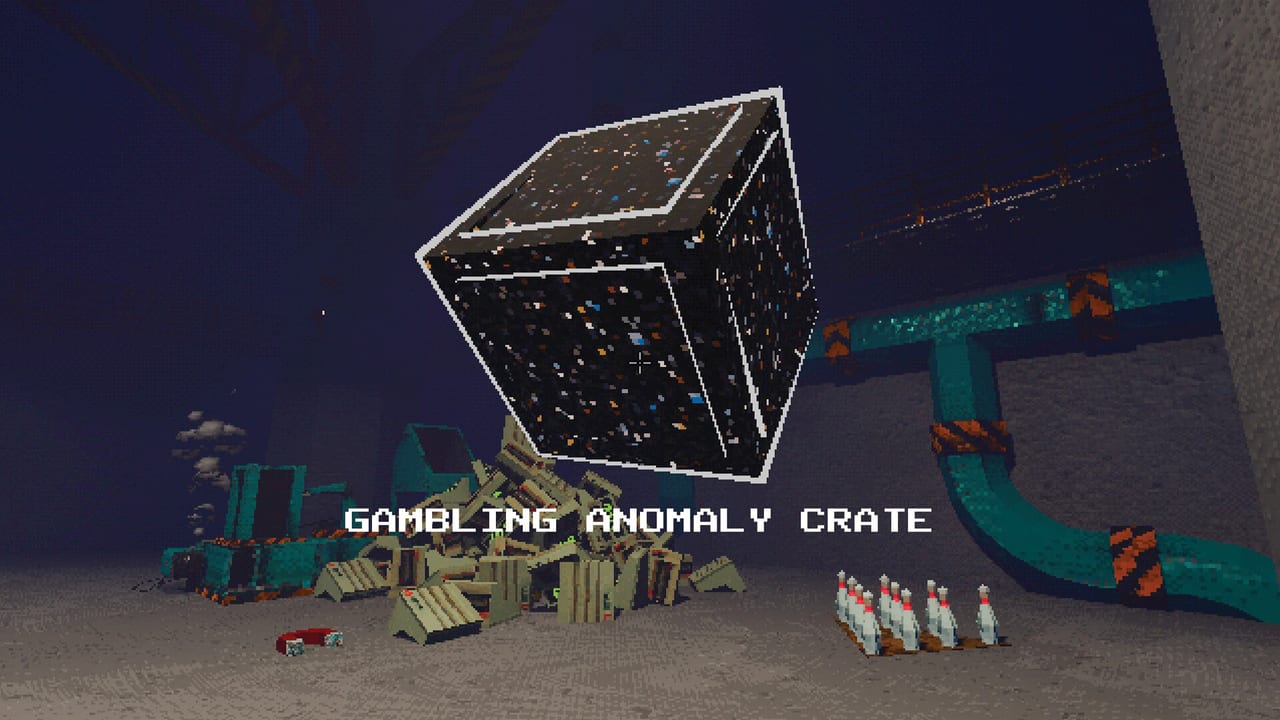
Recent demo builds also include a clearer beginning and ending: elevator and splash intro, progression-gated unlocks in the terminal, and a stats screen when you close the loop. Gambling crates already appear as a chaotic reward vector, with rules tuned so crates should not hand you tools you have not unlocked yet. That means the demo already teaches risk-reward noise, not only pure craft-and-feed purity.
Playtime for a complete demo run is often cited around one hour if you push to the intended endpoint, but optimizers will linger. Treat that hour as tuition for physics literacy.
Full game scope: three more phases
The complete experience expands beyond ducks. Public messaging and developer notes describe four distinct phases total; the demo ships the first. The remaining three phases introduce stranger products, new assembly logic, room evolutions, deeper tool kits, and more secrets woven through the brutalist facility. The Maw continues to grow hungrier and larger as production escalates—phase changes are not just palette swaps, they rewrite what efficient means.
Expect products with different quirks, better and new tools, and facility changes that invalidate perfect demo layouts. That is intentional. Project P.I.T.T. rewards rebuilding. A magnet highway that sings in phase one may need pistons, wider staging, or entirely new feed angles when boxes and later products arrive.
Gambling systems in the loop
Gambling crates and related reward chaos are part of the satire and part of the economy. In demo patches, crates were adjusted so they fall back to ducks instead of spawning locked tools—an important fairness pass. The full game is expected to keep gambling as a meaningful side channel for tools, toys, and variance, not a mandatory pay-to-progress wall. Learn to treat crates as spicy bonuses: useful when lucky, ignorable when you are mid-combo on a stable line.
If a crate distracts you from fixing a jam, you are losing. If a crate funds a Sticky upgrade that stabilizes panels, you are winning. That judgment call matters more after August 19 when variance and phase pressure both rise. Cross-check spend priorities with Early Upgrades Tier List and Upgrades.
Runtime expectations: about 6–10 hours
Developer-facing estimates place the full game around the high single digits—commonly discussed in the six-to-ten-hour band, with some materials citing roughly eight to ten hours for a thorough run. Your clock will stretch if you rebuild every phase for elegance, chase combo records, or hunt secrets. Speed-focused players who accept messy lines will finish faster. Neither style is wrong; the sandbox permits hand-feeding forever if that is your comedy.
Use the estimate for wishlist planning, not for guilt. If the demo’s one-hour slice already feels like home, the full shift has room to breathe.
What transfers from demo to full game
Transfers cleanly:
- Movement and interaction fluency from Controls.
- Hand-feed reliability and Maw approach habits from Getting Started.
- Short automation triangles (spawn, direct, Maw) from How to Automate.
- Combo timing and recovery from How to Chain Combos.
- Performance discipline when object counts explode from Tips and Secrets.
Transfers poorly without adaptation:
-
Exact panel coordinates tuned only for ducks.
-
Oversized magnet mazes that lag before phase two mass arrives.
-
Assuming every tool ranking stays frozen—revisit Tools Tier List after new unlocks.
How to spend demo hours wisely
- Finish a clean hand-feed session before any mega machine.
- Build one three-device line and watch two untouched cycles.
- Unlock Sticky panel help when it appears; routing beats novelty toys.
- Practice one short combo string daily until the audio cue feels instinctive.
- Note pillar heights for countdown awareness.
- Skim Demo Walkthrough if you want a structured first shift.
- Wishlist the full game so August 19 does not sneak past you.
Design philosophy reminder
There is no single mandatory conveyor. Tools exist so you invent your own. Hand-feeding remains valid even when inefficient. The full game continues that freedom across more products and phases. Do not wait for a correct YouTube blueprint—use Automation Builds as inspiration, then break them on purpose.
Where to go next
- Schedule and downloads: Release Date and Demo
- Hub map: Updates Hub
- Playbooks: Guides Hub
- Official storefronts: Official Resources
- Coverage context: Preview and Review Coverage
Phase one is the interview. Phases two through four are the job. Come prepared.
Frequently Asked Questions
Quick answers about the full game, The Maw, and day-one patches.
How many phases are in the demo versus the full game?
The demo includes phase one of four. The full game adds the remaining three phases with more products, tools, and facility changes.
Does the full game include gambling?
Yes. Gambling-style crates are part of the loop. Demo patches already tune crates so they should not spawn tools you have not unlocked.
How long is the full game?
Plan for roughly six to ten hours depending on how much you optimize and explore. The demo itself is often about an hour to a natural endpoint.
Will my demo skills matter after August 19?
Yes. Controls, combo timing, and short automation habits transfer. Exact duck-only layouts will need rebuilding for later products.
Is hand-feeding still allowed in the full game?
Yes. The design supports inventing your own lines—or feeding manually—rather than forcing one official conveyor solution.