Project P.I.T.T. Automation Builds for The Maw
Turn sticky tools into a combo-fed production line that survives without constant babysitting.
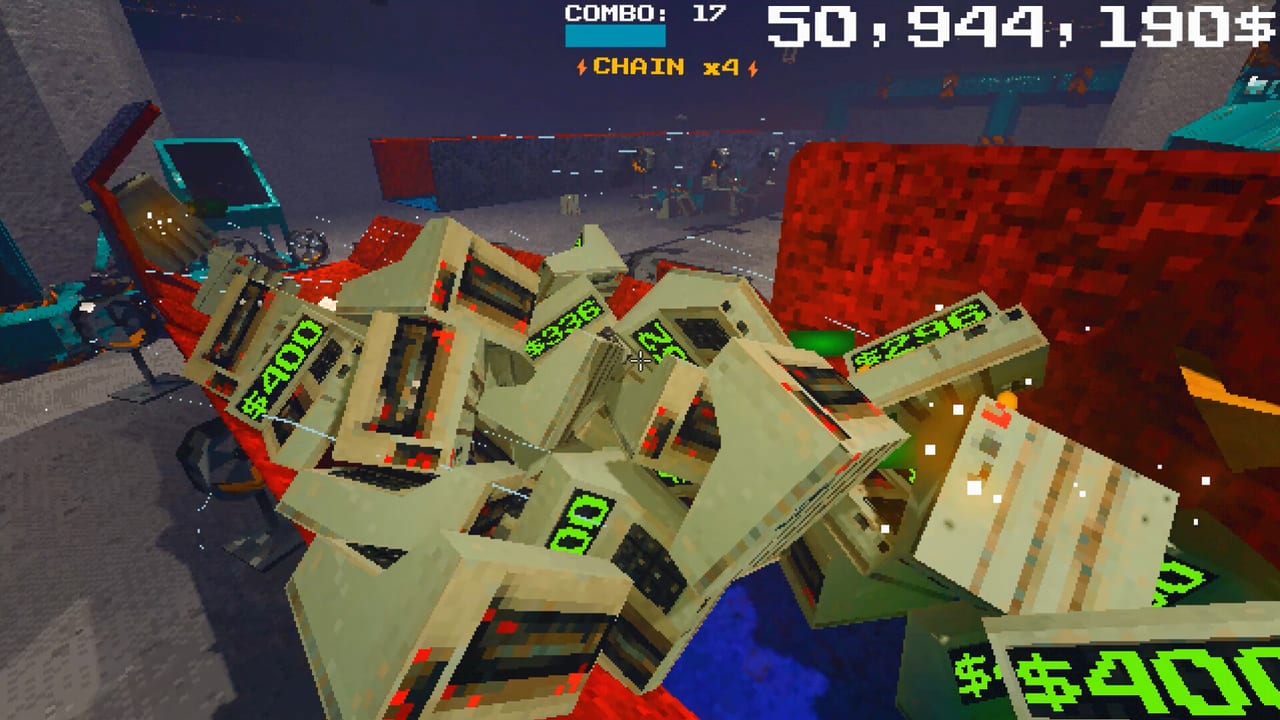
Automation builds are how Project P.I.T.T. interns graduate from throwing rubber ducks to operating a chaotic corporate machine. You combine panels, fans, magnets, pistons, launchers, brooms, the golf club, and the remote into a loop that crafts, moves, and feeds The Maw while combo chains print profit. This page is the practical sister to Physics Tools and Upgrades. For step-by-step habits, also read How to Automate and How to Chain Combos.
What “automation” means here
This is not a spreadsheet factory game. Automation means physics that keeps working after you walk away: sticky tools holding angles, timed pistons punching on cadence, fans keeping ducks in a lane, and a Maw mouth that receives a stream instead of a drizzle. You still craft products, clear jams with brooms, and golf-club the occasional stuck box. The goal is fewer interventions and louder combos.
Start from the Getting Started mindset: one clean lane beats three clever dead ends. Learn Controls so placement precision matches your ambition. Rank early spends with Early Upgrades Tier List so sticky upgrades land on the tools your build actually depends on.
Build blueprint: four zones
1. Intake and craft staging
Park production near a wide panel floor. Rubber ducks need space to spawn and settle before motion tools grab them. When boxes arrive for bulk feeding—see Boxes and Containers—widen the staging pad so crates do not tip into a fan prematurely. Keep a broom sticky in the corner where overflow always collects.
2. Motion corridor
Use panels to form a chute. Add a fan for continuous push or a piston for timed punches. Magnets correct sideways drift and can hold a cluster before a launcher. The corridor should be boring on purpose: boring lanes create reliable combos. Fancy corkscrews are for after the boring lane pays for upgrades.
3. Combo shelf
Before The Maw, leave a short bounce shelf or funnel where products bunch. Combos love density and rhythm. A magnet regroup plus a gentle fan finish often outperforms a max-power launcher that scatters ducks across the pit rim. Study product weight on Rubber Ducks and Products so the shelf height matches what you actually feed.
4. Maw mouth and recovery
Aim the final approach so near-misses fall onto a recovery panel instead of a dead floor. Recovery paths are automation. A broom or golf club stationed at the recovery lip turns failures into second chances without rebuilding the whole line. As The Maw grows larger across phases, remeasure this zone—geometry that worked on day one may miss after corporate appetite expands. Track phase timing via Release Date and Demo.
Starter builds to try
Fan lane: Panels + sticky fan + soft funnel into The Maw. Best first automation in the demo. Low complexity, high teaching value.
Piston punch: Stop panel + sticky piston + short ramp. Great when you want timed bursts that sync with combo audio.
Launcher express: Staging pad + launcher aimed at a magnet-corrected shelf + fan finish. Strong once boxes and volume demand range.
Hybrid remote line: Split stations across a walkway, sticky everything critical, trigger pistons and launchers with the remote while restocking. This is the bridge into long-shift play covered in How to Automate.
Compare gadget value on the Tools Tier List if you must choose one new tool for the next rebuild.
Combo-first design rules
- Cluster before you fling.
- Prefer consistent near-hits with recovery over flashy airballs.
- Sticky the tools that define the lane before decorating with extras.
- Time pistons to product arrival, not to your walking pace.
- Rebuild after every major product unlock—ducks and boxes are not the same physics problem.
- Listen to combo feedback; silence means the line is starving The Maw.
- Keep one intervention tool (broom or golf club) within reach of the worst jam.
- Use discovery walks between rebuilds so unlocks from Upgrades keep pace with your ambition.
Jam triage
When the line chokes, do not add another launcher first. Clear the jam with a broom, find the panel pinch point, soften the fan, or add a magnet catch. Most automation failures are geometry failures wearing tool costumes. Tips and Secrets collects small facility quirks that save rebuild time.
Scaling toward full release
The demo teaches phase-one duck automation. The August 19, 2026 release expands products, tools, and Maw growth. Expect to retire beloved demo builds when stranger products arrive and the pit reshapes the room. Keep this page bookmarked beside the Tools Hub and the Items Hub so each new product gets a deliberate line instead of a panic toss.
Cross-link checklist
- Tool catalog: Physics Tools
- Sticky spends: Upgrades
- Combo theory: How to Chain Combos
- Habit guide: How to Automate
- Rankings: Tier List Hub
- All tutorials: Guides Hub
Build sticky. Feed loud. Let The Maw hear the combos from across the brutalist plant.
Frequently Asked Questions
Quick answers about the full game, The Maw, and day-one patches.
What is the simplest automation build to start with?
A panel lane with a sticky fan and a soft funnel into The Maw. Add pistons or launchers only after that lane is reliable.
Why do my automated ducks miss combos?
Usually scatter. Cluster products on a shelf or with magnets before the final push, and add a recovery path for near-misses.
When should I rebuild my line?
After sticky upgrades change tool behavior, after boxes or new products unlock, and whenever The Maw expands enough to break old angles.
Is the remote required for automation?
Not for a single-room fan lane, but it becomes essential once stations span the facility and walking breaks combo rhythm.