Project P.I.T.T. How to Chain Combos
Keep The Maw fed in rhythm — escalating feedback, fewer breaks.
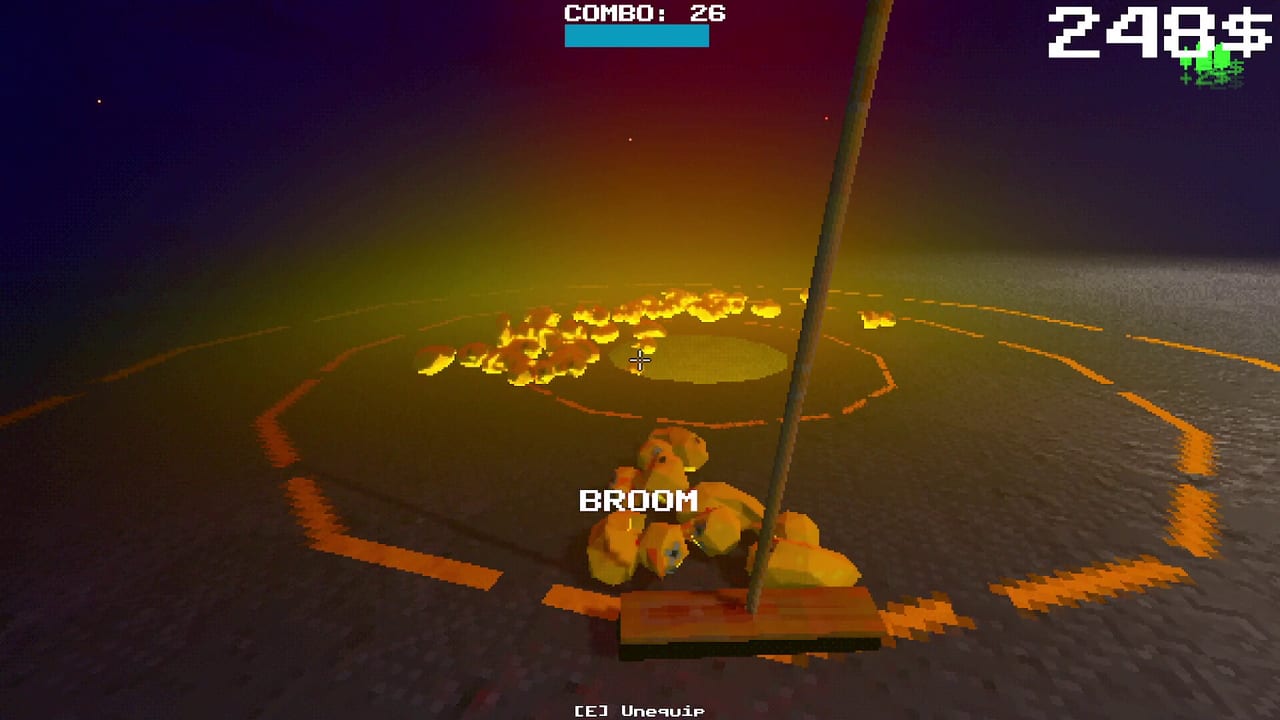
Combos are Project P.I.T.T.’s dopamine contract. Feed The Maw in a clean rhythm and the game answers with escalating audio and visual feedback plus better payouts. Break the rhythm with a bounce-off, a jam, or a long dry gap, and the chain collapses. This guide explains how to start combos by hand, how to protect them with automation, and how to recover mid-chain without throwing the whole shift away.
You should already know basic feeding from Getting Started and ideally have a short stable path from How to Automate. Combos on a broken line are just stylish failure.
What a combo actually demands
A combo wants uninterrupted successful feeds close enough together that the facility treats them as one rising event. Exact timing windows can shift with patches, so train by sound and screen feedback rather than a stopwatch myth. When the pitch climbs and effects intensify, you are inside the chain. When feedback resets to the meek first-hit sound, you dropped it.
Throughput without rhythm is still progress — combos are the multiplier on top. If your demo economy feels slow, fix reliability first, then compress gaps between Maw hits.
Hand-fed combo starter routine
- Stock three to five rubber ducks within arm’s reach of a marked stand tile.
- Plant your feet; no sprinting during the chain.
- Feed the first duck with a short, clean release or short throw.
- Immediately follow with the next duck from the same angle.
- Watch the pit, not your inventory panic — adjust only if a duck visibly escapes.
Use Controls habits: walk near The Maw, crouch if you need a stable camera under clutter, and save long throws for emergencies. Long bombs look great and break chains when they kiss the lip and bounce away.
Automation that serves combos
The best combo machines meter ducks instead of dumping twenty at once. A metered fan-and-panel path that delivers a steady cadence beats a chaotic launcher that sometimes scores triples and sometimes clogs for thirty seconds. Build metering with panel gates, gentle fans, or piston timing. Sticky panels keep the meter honest — without Sticky tools upgrades, vibration ends your chain. See Upgrades and Physics Tools.
Launchers can extend combos if their arc is proven. Fire them with remotes from an overlook so you can spot escapes early. Brooms and the golf club are your surgical tools: one stray duck redirected mid-air or mid-floor can save a chain that would otherwise die while you dismantle a magnet.
Jam protocol without killing the vibe
When a jam starts, you have two seconds to decide: micro-clear or full abort.
Micro-clear: one duck wedged on a panel edge — grab it, toss it correctly, resume. Golf club taps count. Full abort: three or more objects interlocking — stop the feed, clear everything, restart the combo from zero. Feeding into a knot guarantees a longer reset.
Never unlock a new tool mid-chain to “fix” a jam. Finish the recovery, then redesign offline using Automation Builds patterns.
Reading the facility during long chains
Height and Maw growth change angles you thought were safe. Between combo attempts, look at pillars to re-read vertical space — the same tip highlighted in Tips and Secrets and practiced in the Demo Walkthrough. A chain that worked at one Maw size may need a steeper panel after the pit expands.
Products matter too. Ducks chain easily; boxes and wider containers clip more often. Mixed payloads should wait until mono-duck chains feel trivial — read Rubber Ducks and Products and Boxes and Containers under Items.
Upgrade priorities for combo players
Spend on throw reliability, Sticky panels, and any metering or remote quality-of-life before novelty gadgets. Cross-check Early Upgrades Tier List, Tools Tier List, and the parent Tier List. A slightly better cadence tool outperforms a spectacular launcher that hits 60% of the time.
Performance during peak combo chaos
Combos spawn feedback effects on top of physics bodies. If the pitch climbs and the frame rate falls, you will mis-time grabs and blame the combo system. Disable the retro effect, set graphics to LOW, and reduce simultaneous ducks on the line. Smooth frames are part of combo skill.
Full-game combo outlook
The August 19, 2026 release adds three new phases, more tools and products, and gambling systems. Expect new scoring toys and new ways to break rhythm. Carry the demo lessons forward: cadence over spectacle, sticky structure, abort-and-clear discipline. Track shifts on Updates and Demo vs Full Game.
Training plan
- Day one: hand chains of five feeds from a marked tile.
- Day two: same chains using a three-device automated meter.
- Day three: introduce one remote launcher segment without raising loss rate.
- Day four: practice micro-clears with broom or golf club on purpose-built soft jams.
- Day five: push length while watching pillars between attempts.
Return to the Guides Hub when you need a different skill, and keep Tools open while redesigning. Combos are not a separate game — they are the soundtrack of a line that already works. Official news and community clip culture live under Links if you want to compare cadence with other interns.
Frequently Asked Questions
Quick answers about the full game, The Maw, and day-one patches.
How do I start a combo in Project P.I.T.T.?
Feed The Maw with clean, closely spaced successful dumps from a fixed stand angle. Listen for escalating audio feedback; reset if the sound returns to the first-hit cue.
Why do my combos keep dropping?
Usually bounce-offs, long throw misses, or jams. Shorten the feed path, use Sticky panels, and abort feeds when objects interlock.
Can automation help combos?
Yes — metered paths that deliver a steady cadence outperform chaotic dumps. Pair automation with remotes, brooms, or the golf club for recovery.
Should I mix boxes into combo lines early?
No. Master rubber-duck chains first. Wider containers clip panel edges more often and break rhythm.