Project P.I.T.T. How to Automate
Turn hand-fed ducks into physics production lines The Maw can trust.
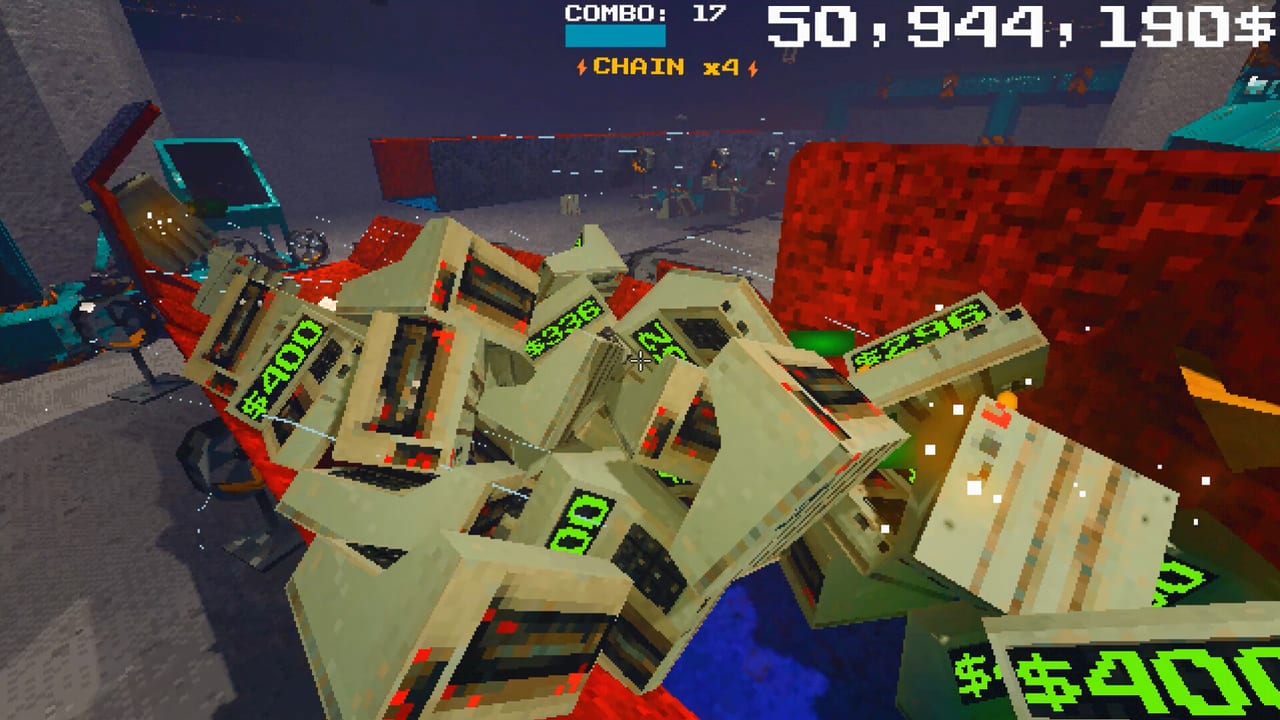
Automation is the heart of Project P.I.T.T. Hand-feeding rubber ducks teaches the fantasy; fans, magnets, panels, pistons, launchers, brooms, the golf club, and remotes turn that fantasy into a factory that keeps The Maw loud while you watch from a balcony. This guide explains how to design stable phase-one lines in the demo and how to think about expansions before the August 19, 2026 full release adds three new phases and stranger products.
Prerequisites: comfortable Controls, a few clean manual feeds from Getting Started, and ideally one pass through the Demo Walkthrough. If you skip those, you will automate chaos.
Design principles before devices
- One job per device. A fan pushes; a magnet pulls; a panel supports; a piston punches; a launcher flings. Do not ask one object to solve three failures.
- Short paths win. Distance multiplies error. Start with the shortest legal route from duck entry to Maw mouth.
- Observe two full cycles. If you must babysit, it is not automation yet.
- Clear jams offline. Stop the feed, remove the clog, restart. Flooding a jam teaches nothing.
- Budget frames. Every moving body costs performance. Prefer elegant geometry over particle storms.
Tool roles in the demo kit
Fans impart directional force along a corridor. Aim them down a panel runway, not at random walls. Magnets attract metal-friendly objects or tool-tagged pieces depending on unlock rules — place them to catch strays back onto the path, not to yank ducks into the ceiling. Panels are your floors, ramps, and walls; with Sticky tools upgrades they become trustworthy routing hardware instead of temporary props. Pistons provide timed punches for vertical or gated motion. Launchers replace risky long throws with repeatable arcs into The Maw. Brooms and the golf club are manual recovery tools — keep them for combo saves, not as primary conveyors. Remotes let you trigger dangerous segments from a safe overlook.
Deep device notes live under Physics Tools and the Tools hub. Spend order should follow Upgrades, Early Upgrades Tier List, and Tools Tier List.
Sticky tools: the automation gate
Sticky tools for panels deserve their own heading because they change everything. Without stickiness, panels drift, bounce, and betray you mid-combo. With stickiness, you can draft a ramp, trust it, and iterate on the next segment. Unlock Sticky as soon as panels matter. Many “automation is impossible” complaints are really “I skipped Sticky.” Confirm upgrade text in-game and cross-read Tips and Secrets.
Build recipe: the triangle line
- Create or drop ducks at a fixed entry tile.
- Place a sticky panel path toward The Maw with snap mode enabled.
- Add one fan or gentle slope to maintain motion.
- End with a short launcher or guided drop into the pit.
- Stand aside and watch three cycles. Adjust one angle only between tests.
When that triangle is boring, fork a second entry or add a magnet catch basin for escapes. Catalog finished layouts in your notes and compare with community ideas via Links and reference builds on Automation Builds.
Build recipe: remote-fired launcher
Place the launcher aimed at a proven Maw entry angle. Clear the blast zone. Bind or position the remote where you can see both launcher and pit. Feed ducks onto the launcher pad with a short panel path, step back, trigger, and only then scale volume. Remotes prevent the classic intern death of standing in your own launch corridor while mashing interact.
Products and containers in automated lines
Rubber ducks are forgiving teachers. Boxes and containers introduce stacking, nesting, and wider collision boxes that shear off panel edges. Before you automate mixed payloads, read Rubber Ducks and Products and Boxes and Containers under Items. A line tuned for ducks may shred itself when a box tumbles sideways — rebuild angles instead of forcing volume.
Combos versus automation
Automation creates the canvas; combos paint the payout. A perfect machine that dribbles one duck every ten seconds will lose to a slightly messier line that sustains rhythm. Once your path is stable, study How to Chain Combos to align feed timing with Maw feedback. Sometimes the correct automation patch is a slower fan, not a stronger launcher.
Performance-aware automation
If the facility hitchs when ducks pile up, turn off the retro effect and set graphics to LOW before deleting half your factory. Then reduce simultaneous movers: fewer bouncing failures, tighter catches, less magnetic thrashing. Automation that tanks the sim is a failed corporate KPI in this satire.
Full-game outlook for automation thinkers
August 19, 2026 brings three new phases, additional tools and products, and gambling systems. Expect new bottlenecks and assembly-style goals beyond “duck into hole.” Keep your demo habits — short paths, sticky panels, single-variable tests — because those transfer. Track changes on Updates and the Guides Hub as patches land.
Checklist before you call a line “done”
- Three unattended successful cycles
- Known failure point and a recovery plan (broom, golf club, or hand clear)
- Sticky panels on every structural surface that must not drift
- Remote or safe trigger for any violent launcher
- Frame rate acceptable on your target settings
- A next unlock chosen from tier lists, not impulse
Automate patiently. The Maw is patient in the worst way — it will still be hungry after your seventh rebuild. Make the eighth rebuild the simple one.
Frequently Asked Questions
Quick answers about the full game, The Maw, and day-one patches.
What is the best first automation setup?
A short triangle: fixed duck entry, sticky panel path, one fan or slope, and a guided drop or short launcher into The Maw. Expand only after three unattended cycles.
Why do my panels keep failing?
Unlock and use Sticky tools for panels. Non-sticky panels drift under physics stress and break routes mid-combo.
Should magnets come before fans?
Usually fans and panels establish flow first; magnets shine as catch basins for strays. Check the Tools Tier List for your current unlock set.
How do remotes help automation?
Remotes let you fire launchers and risky segments from a safe overlook so you are not standing in the launch path while triggering.
Will demo automation work in the full game?
Core habits transfer, but three new phases, products, and tools will demand new routes. Rebuild with the same short-path discipline after August 19, 2026.