Project P.I.T.T. Rubber Ducks and Products
From first duck toss to stranger products that keep The Maw growing.
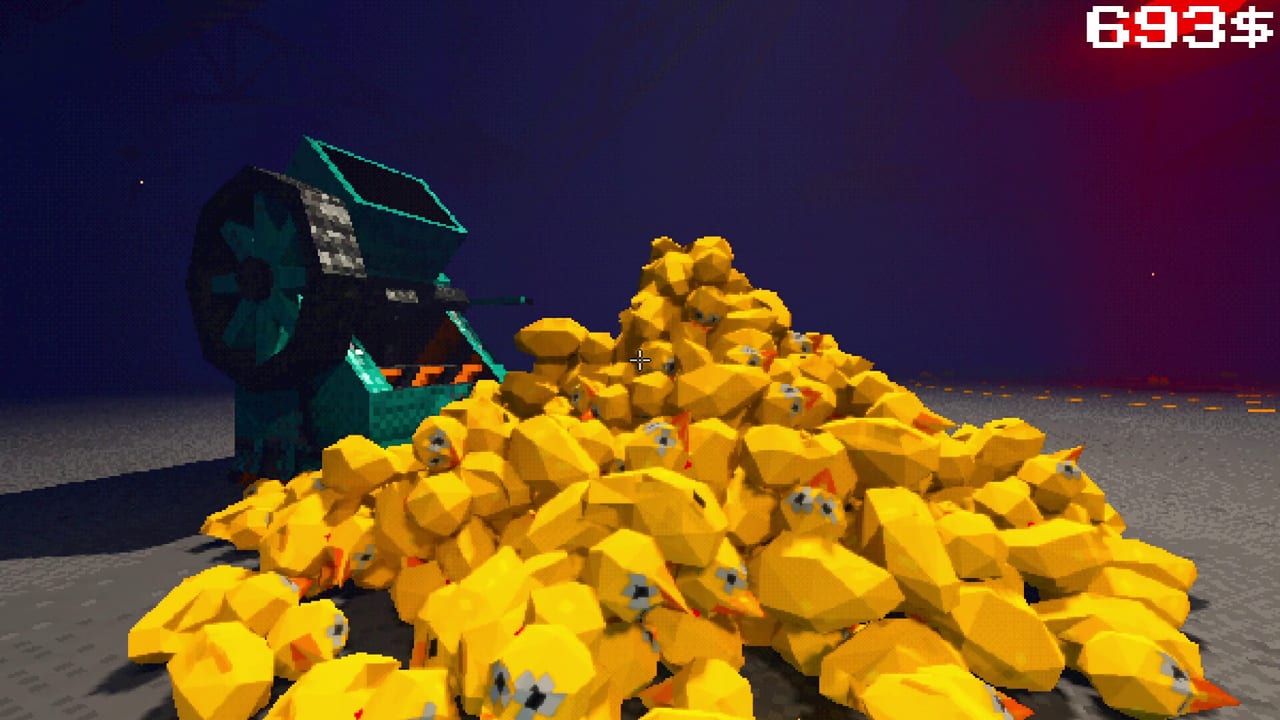
Rubber ducks are the face of Project P.I.T.T. and the first product every intern learns to craft and feed into The Maw. They are light, bouncy, and perfect for teaching the physics sandbox: fans shove them, panels funnel them, pistons punch them, launchers fling them, magnets tug strays, brooms clear piles, and the golf club finishes clutch taps. This page covers duck behavior, how products unlock, and how ducks set up combo profit before boxes take over bulk feeding on Boxes and Containers.
Why ducks define the internship
The fantasy is corporate and absurd: craft rubber ducks, feed the pit, earn your place while the void grows hungrier. Mechanically, ducks are the tutorial mass. Their weight responds cleanly to early tools, so sticky upgrades learned on duck lanes transfer to later products with fewer surprises. If your duck line is messy, later products will humiliate you. Fix ducks first with help from Getting Started and Physics Tools.
Ducks also teach combo chaining. A stream of ducks entering The Maw in rhythm triggers the escalating audio and visual feedback that signals real payouts. Lonely tosses feed the pit; chains fund upgrades. Practice the mindset on How to Chain Combos while ducks are still your only product.
Crafting, carrying, and feeding
Production happens in the facility’s staging areas. Craft ducks, gather a workable handful, and decide whether you are hand-feeding for precision or loading a lane for automation. Early on, hand feeding teaches Maw angles. Within minutes, appetite climbs and you should move toward sticky fans and panel funnels described in Automation Builds. Keep Controls sharp so you place tools instead of fighting inputs while ducks pile up.
Feeding is not only about dropping into the hole. Approach angle, bounce, and clustering change whether you get a combo or a sad single. Aim for a soft shelf near The Maw mouth, then a final nudge. Near-misses should land on recovery panels—not vanish under a catwalk. That recovery habit is as important as the craft loop.
Products beyond the first duck
Project P.I.T.T. starts with rubber ducks, then unlocks stranger products through Maw feeding and discovery. Treat each new product as a physics patch note. Heavier or bulkier items may ignore a fan setting that ducks loved. Odd shapes may jam panel pinches that once felt perfect. When a new product appears, do a short discovery walk, then rebuild the lane instead of forcing nostalgia. Unlock pacing ties to Upgrades and the ranked Early Upgrades Tier List.
Boxes eventually become the bulk answer—covered on the sibling page Boxes and Containers. Ducks do not become useless; they remain the precision product and the combo metronome while boxes raise throughput. Many strong shifts mix a duck stream for chain stability with box dumps for volume.
Ducks and tool synergy
- Fans: Ideal for continuous duck motion along a panel corridor.
- Magnets: Regroup spray and hold clusters before a launcher.
- Panels: Build the chute and Maw funnel ducks deserve.
- Pistons: Timed punches for burst feeds that sync with combo audio.
- Launchers: Range when walking tosses cannot keep up.
- Brooms: Clear duck jams before they snowball.
- Golf club: One-duck clutch saves at the rim.
- Remote: Trigger multi-station duck lines without breaking rhythm.
Rank which gadgets to sticky first on the Tools Tier List. Sticky the duck lane tools before you collect a museum of unused toys.
Combos, profit, and Maw growth
Every feed helps. Combos help more. As you succeed, The Maw grows larger and the facility shifts—corporate satire told through geometry. Duck products remain relevant because combo rhythm often wants a steady small stream even when bulk boxes exist. If box dumps kill your chain timing, split the line: boxes for volume into a wide mouth, ducks for a side shelf that keeps audio climbing. That hybrid thinking is advanced automation territory in How to Automate.
Profit funds sticky upgrades and new tools. Discovery unlocks reward curiosity between craft cycles. Do not tunnel on ducks so hard you miss a facility reveal that hands you the next product or gadget. Soft pointers live on Tips and Secrets.
Demo versus August 2026 release
The demo showcases phase-one duck production, early tools, and the first sticky upgrades. It is the right place to master ducks before the full game launches August 19, 2026. See Release Date and Demo for timing. Full release expands products and Maw phases, so bookmark this page and the Items Hub for updates as stranger corporate offerings arrive.
Practical duck checklist
- Craft a buffer before building tools so you can test immediately.
- Panel a lane before placing motion tools.
- Sticky the fan or piston that defines duck flow.
- Cluster before flinging for combos.
- Add recovery panels at the Maw rim.
- Keep a broom for pileups.
- Introduce boxes only when duck throughput caps out.
- Rebuild after each new product unlock.
Cross-links
- Sibling logistics: Boxes and Containers
- Hub: Items Hub
- Tools: Tools Hub
- Guides: Guides Hub
- Meta: Tier List Hub
Keep crafting ducks. Keep the chains loud. Let every product unlock earn a deliberate rebuild—not a panic toss into a bigger Maw.
Frequently Asked Questions
Quick answers about the full game, The Maw, and day-one patches.
Are rubber ducks only a tutorial product?
They are the starting product and remain useful for combo rhythm even after boxes and stranger items unlock.
How do ducks help unlock upgrades?
Feeding ducks into The Maw—especially in combos—funds progression, while discovery exploration can unlock additional tools and products.
Should I stop using ducks when boxes arrive?
Not necessarily. Many strong shifts use boxes for bulk volume and ducks for steady combo timing.
Which tools work best with ducks?
Fans and panel funnels excel early. Add magnets for clustering, pistons for timed bursts, and launchers when range becomes necessary.
Where do I learn bulk packing next?
Read Boxes and Containers, then rebuild your automation line for crate mass and tipping behavior.