Project P.I.T.T. Boxes and Containers
Bulk feeding logistics for rubber ducks and later products headed into The Maw.
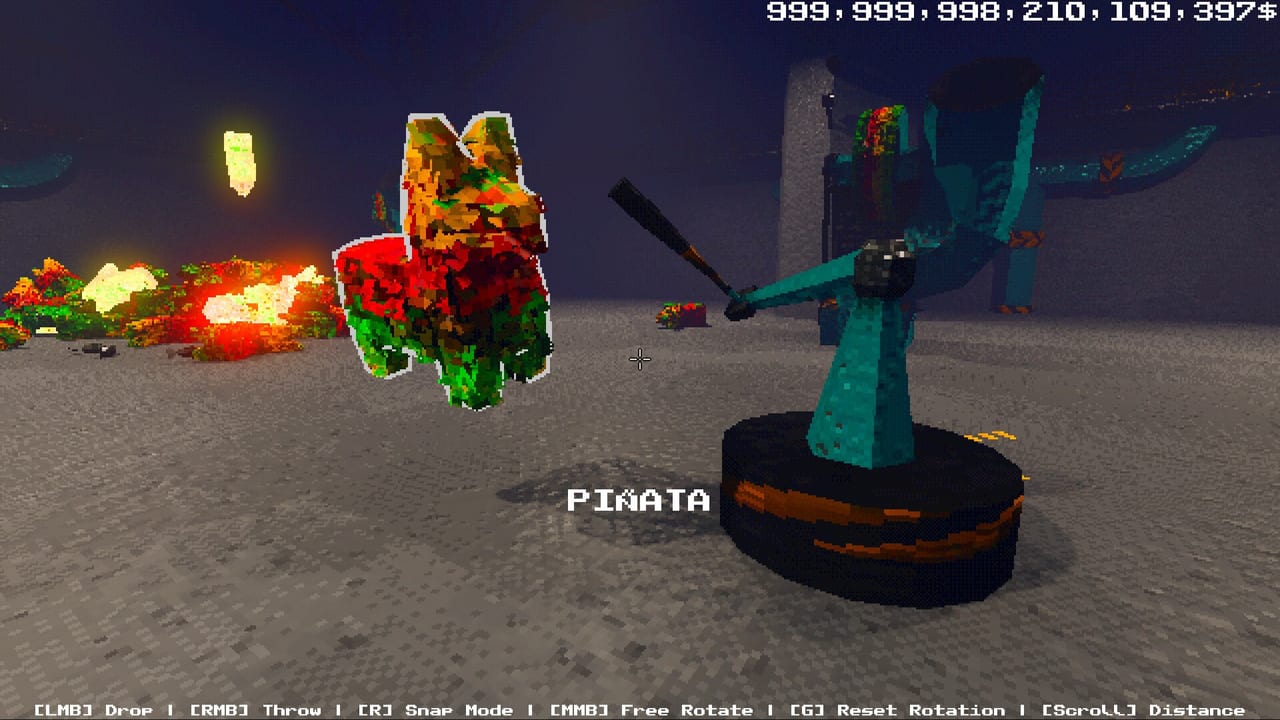
Boxes and containers are how Project P.I.T.T. interns scale past hand-fed rubber ducks. When The Maw’s appetite outruns your throwing arm, packing products into crates turns each trip into bulk feeding—and bulk feeding funds sticky upgrades faster. This sibling page to Rubber Ducks and Products explains when to switch to boxes, how containers change physics, and how to rebuild tools around mass, tipping, and jam risk.
Why boxes exist
Ducks teach the fantasy. Boxes teach the job. Corporate demand rises as you succeed; The Maw grows larger; walking single ducks across the facility becomes a comedy of inefficiency. Containers let you stage many products, move them as a unit, and dump or launch volume into the pit. Profit and unlock speed jump when bulk feeds land as clean combo material instead of a cardboard explosion at the rim.
Boxes also change discovery pacing. A successful bulk shift can unlock the next tool wave sooner, which means you should already know your sticky priorities from Upgrades and the Early Upgrades Tier List. Do not unlock a launcher museum before your staging pad can hold a crate without tipping into a fan.
Packing and staging
Give boxes a wide, flat staging floor made of panels. Narrow duck corridors are death for crates. Load containers deliberately—overstuffed packs tip; underfilled packs waste trips. Keep craft output flowing into the staging pad so you are not alternating between empty hands and panicked rebuilds. A sticky broom near the pad clears spills before they seed a permanent junk pile.
If you still need duck-precision for combo timing, run a dual pad: one for boxed bulk, one for a thin duck stream. That hybrid shows up often in advanced notes on How to Chain Combos and How to Automate.
How boxes interact with physics tools
- Panels: Widen lanes, raise lips to stop tip-overs, and build soft funnels that catch crate dumps.
- Fans: Useful for light spill ducks after a dump; risky as a primary crate mover if airflow flips boxes.
- Magnets: Helpful for metal-adjacent container parts or for corralling spilled products after a break.
- Pistons: Excellent for timed crate punches once sticky aim is locked—test gently.
- Launchers: High reward for bulk range, high risk if the landing zone is too hard. Aim for a shelf, not a slam dunk every time.
- Brooms: Mandatory janitor duty after failed dumps.
- Golf club: Nudge a settled crate over a lip without restarting the whole pack.
- Remote: Trigger piston and launcher cycles while you refill the next box across the room.
Deep gadget notes live on Physics Tools. Full line designs live on Automation Builds. Rank gadget value for crate eras on the Tools Tier List.
When bulk feeding beats hand tossing
Switch when any of these are true: The Maw is hungry faster than you can craft-and-toss; combo audio dies because arrivals are too sparse; walking distance grew after a facility shift; sticky tools are ready but starved of product. Stay on hand ducks when you are still learning angles, when a new product’s physics are unknown, or when a discovery puzzle needs precise single feeds.
New interns should finish Getting Started and Controls before optimizing crate logistics. Demo players should master a duck fan lane first—boxes amplify good habits and also amplify mess.
Combo care with containers
Bulk does not automatically mean better combos. A chaotic crate shatter can feed The Maw while killing chain rhythm. Prefer controlled dumps onto a clustering shelf, then a finishing fan or piston that walks products in sequence. If box dumps always break chains, split volume and rhythm: boxes for raw appetite, ducks for metronome feeds. Profit is Maw satisfaction plus combo multipliers—not cardboard fireworks alone.
Common box failures
Staging pads that are actually duck gutters. Launchers aimed at hard concrete with no recovery panel. Fans set to duck power used as crate engines. No broom budget after the first spectacular tip. Ignoring sticky upgrades so every crate bump ruins aim. Skipping discovery walks because you are lost in packing loops—then wondering why peers have products you never saw. Soft fixes and facility quirks sit on Tips and Secrets.
Demo, release, and expanding containers
The demo emphasizes early duck production and first-phase automation; boxes appear as your throughput tools mature. The full game launches August 19, 2026 with broader products and Maw growth—see Release Date and Demo. Expect container behavior and bulk strategies to deepen as stranger products arrive. Return to the Items Hub whenever a new packable item shows up.
Practical bulk checklist
- Widen staging with panels before crafting crates.
- Sticky the tools that touch boxes most often.
- Test piston and launcher power on a near-empty pack first.
- Build a spill recovery zone with broom access.
- Keep a duck side-stream if combos go quiet.
- Refill with remote-triggered cycles when the line spans rooms.
- Rebuild after each product unlock—do not assume duck angles.
- Spend Maw payouts on sticky reliability before novelty tools.
Cross-links
- Sibling products: Rubber Ducks and Products
- Hub: Items Hub
- Automation: Automation Builds
- Upgrades: Upgrades
- Guides index: Guides Hub
- Meta spends: Tier List Hub
Pack dense. Dump clean. Let bulk feeding buy the sticky future your duck lane earned.
Frequently Asked Questions
Quick answers about the full game, The Maw, and day-one patches.
When should I switch from ducks to boxes?
When The Maw outpaces hand tossing and your sticky lane can accept crate mass without constant tip-overs.
Do boxes replace combo play?
No. Bulk feeds appetite, but combos still need rhythm. Use controlled dumps and consider a duck side-stream for timing.
Which tool is most dangerous with boxes?
Overpowered fans and hard launcher landings. Soften airflow and aim for shelves with recovery panels.
Where do I read about duck basics again?
See Rubber Ducks and Products on this Items Hub, then rebuild tools on the Automation Builds page.